[vc_row][vc_column][vc_column_text css=””]
The Economist traditionally picks a “country of the year” at the end of each year – not for its level of happiness or global influence, but for the greatest progress achieved over the past 12 months. In 2025, after difficult debates and comparisons, the editors settled on a choice that would have seemed unthinkable just a year earlier: Syria is the country of the year.
The global context over the past year was extremely unstable. Trade wars, escalating conflicts in Gaza and Sudan, and political turbulence in various regions of the world formed the backdrop against which some states managed to show composure and institutional resilience. Canada, for instance, chose a pragmatic technocrat over a populist and firmly defended its position in relations with the United States. In Moldova, voters rejected a pro-Russian political course despite pressure and disinformation from Moscow. South Korea survived a serious attempt to dismantle its democracy: a former president stood trial for trying to impose martial law and dissolve parliament.
Brazil offered a similar lesson in institutional maturity. For the first time in the country’s modern history, a former president who tried to cling to power through a coup was sentenced to actual prison time. At the same time, the government managed to slow the pace of deforestation in the Amazon, although its foreign-policy sympathies for the Kremlin spoiled the overall picture.
The main contest this year, however, played out between Argentina and Syria – two countries with fundamentally different trajectories of change. In Argentina, President Javier Milei pressed on with the radical market reforms launched in 2023. Subsidy cuts, the dismantling of price controls and strict fiscal discipline produced tangible results: inflation fell from 211% to around 30%, the poverty rate dropped by more than 20 percentage points, and the financial system stabilised with US support. Yet the country remains vulnerable, both because of political polarisation and because of the president’s own personal flaws.
But it was Syria that became the editors’ choice – not for its economic indicators, but for a political transformation that until recently seemed impossible. Just over a year ago, the country was ruled by Bashar al-Assad, a dictator responsible for mass repression, the use of chemical weapons, the deaths of more than half a million people and the flight of millions of Syrians abroad. His regime relied on the support of Iran and Russia.
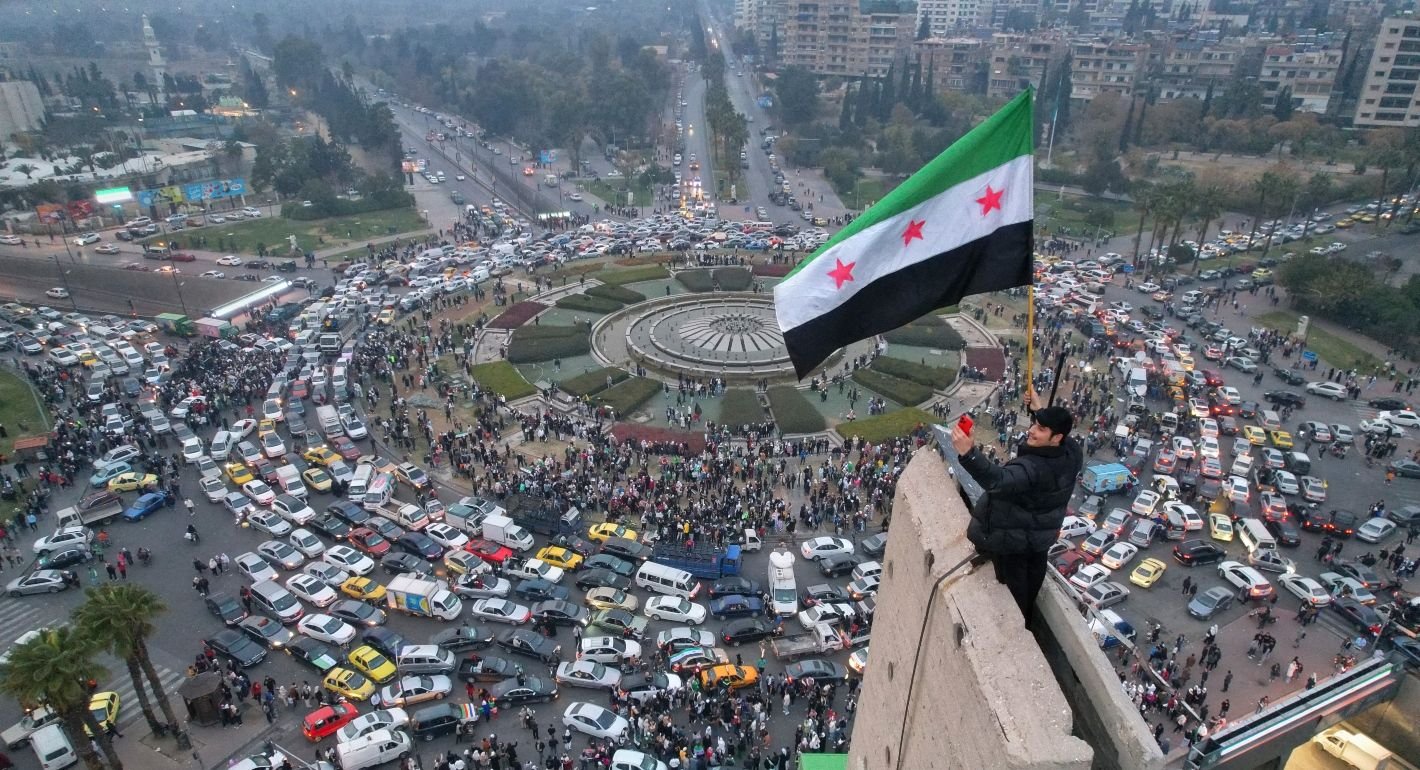
In December 2024, the situation changed radically: Assad fled the country after rebels seized power. The new leader, Ahmed al-Sharaa, had a reputation as a jihadist, and the world braced for the worst-case scenarios, from theocracy to the total collapse of the state. Those fears did not materialise. Syria did not impose harsh religious restrictions, women were not forced out of public life, and everyday life, including culture and entertainment, gradually returned to normal.
Despite serious challenges, including bloody attacks on minorities by some armed groups and a clan-based style of governance, in 2025 the country became less fearful and more liveable than a year earlier. The easing of Western sanctions gave a boost to economic recovery, and the most telling indicator of change is that around three million Syrians have returned home.
Syria still stands on shaky ground, and the risks remain high. But compared with the utter darkness of previous years, 2025 was a year of genuine breakthrough for the country. That is why The Economist’s choice is not about idealisation, but about recognising rare and fragile progress.
[/vc_column_text][/vc_column][/vc_row]